
Introduction: Breaking Down the Retention Challenge
I want to start by defining what I mean when I say “retention” in modern orthodontic care: the set of measures that keep teeth aligned after active treatment ends. lulusmiles has tracked hundreds of post-treatment cases and the data is clear — relapse rates vary widely by protocol and patient behavior. Imagine a clinic where 20% of patients show measurable drift within a year; what does that tell us about system gaps, monitoring, and patient engagement? (I’ll call this the retention gap.)
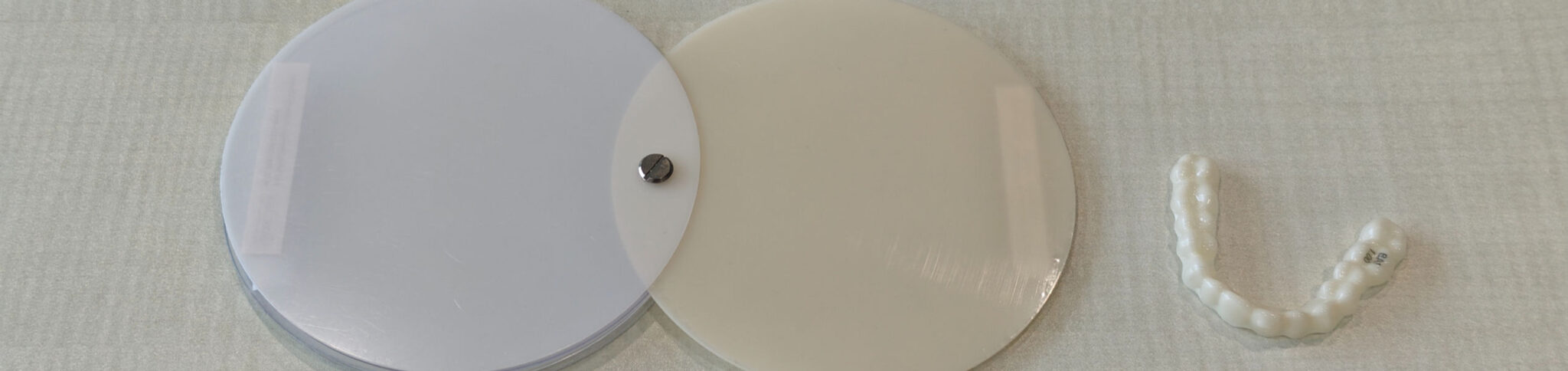
Technically, retention sits at the intersection of device design, behavioral adherence, and follow-up workflows. You can think of it like a small network: devices (bonded and removable retainers), sensors (appointment reminders, compliance logs), and process nodes (follow-up checks and occlusion assessments). We often underweight a single node and the whole network shifts. I’m asking: how do we design a retention system that scales without losing clinical fidelity — and how can we measure that reliably?
In the sections that follow, I’ll walk through where standard approaches stumble, what hidden pains patients and clinics actually face, and then — crucially — what practical, forward-looking moves make the difference. Let’s dig into the failure modes next.
Part 2 — Where Traditional Solutions Fail (and What Patients Really Feel)
Why do so many retainers fall short?
I’ll be blunt: a lot of the time, the device is fine — the system around it is not. The retainer itself often gets blamed, but the real culprits are inconsistent follow-up, weak retention protocols, and poor patient coaching. Directly put: clinics assume compliance; patients assume “it’s done.” The result? Orthodontic relapse, small occlusion shifts, and frustrated families. Look, it’s simpler than you think — most failures trace back to human workflows, not materials.
From my hands-on experience, three pain points repeat: 1) unclear handoff at treatment completion, 2) sparse scheduling for long-term check-ins, and 3) weak feedback loops when small drift begins. Clinically, we see problems like minor relapse that compounds over time, or patients losing removable retainers and not reporting it. Technically speaking, a retention protocol needs both redundancy (bonded plus removable options) and a monitoring cadence that catches drift early. I’ve recommended adding simple compliance touchpoints — automated reminders combined with short video check-ins — and they work. Patients feel heard; clinicians catch problems earlier. That’s the human truth behind the numbers.
Part 3 — Future Outlook: Practical Tech and Metrics to Choose By
What’s Next — pragmatic upgrades, not magic fixes
Going forward, I favor a mix of low-friction tech and tighter clinical rules. Think: better appointment triggers, minimal sensor integrations, and clearer retention tiers based on risk. For instance, high-risk patients get bonded retainers plus quarterly review; low-risk patients get a removable retainer and biannual check-ins. We can also leverage simple digital tools — secure photo submissions, short compliance surveys — to keep tabs without taxing staff. (Yes, that takes discipline — but it scales.)
We should also use clearer labels for decision-making: retention risk, adherence score, and device redundancy. Those three metrics tell me more than a single “satisfied” checkbox. To choose wisely, evaluate: 1) measurable retention outcomes over 12–24 months, 2) ease of patient reporting (phone photos, portals), and 3) clinic overhead required for follow-up. Measure those, and you can compare vendors, retainer types, or workflows on equal footing — and you’ll spot which investments actually reduce relapse.
Finally, a short checklist I use when advising clinics: prioritize simple monitoring, standardize handoffs, and build small redundancies into the plan. I’ve seen these moves cut avoidable rework and keep patients happier — funny how that works, right? For practical tools and products, I’d point teams toward tested options like Clear braces hk that fit into streamlined workflows. In closing — and this is my honest take — pick solutions that give you measurable signals, not just promises. For more tools and examples, check out lulusmiles.