
A Gilded Circle: Setting the Scene
Imagine a vanity at dawn, a low river of light skimming across glass. The round perfume bottle catches it and spins the glow into a small moon. In that hush, we see design as a quiet engine that moves choice, status, and memory. I’ve watched brands weigh sparkle against substance, then get surprised when a cap’s crimp finish outshines the scent in reviews—funny how that works, right? The numbers are plain: packaging shapes buyer trust; there’s a lift in sell-through when haptics and balance are tuned, sometimes by double digits. Yet here’s the twist—does your bottle’s grace also stand up to shelf knocks, heat swings, and quick hands in fulfillment?
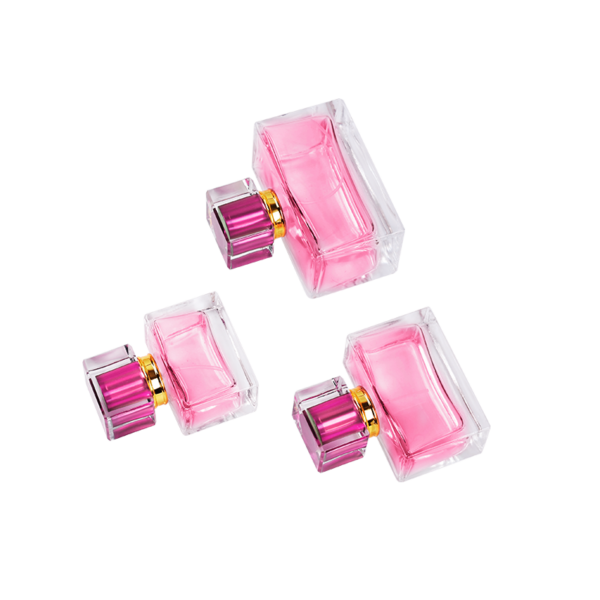
We’ll take a comparative path through what’s rising and what’s fading, where craft meets cost, and how small changes in mold cavity control or batch composition ripple into big outcomes. The stakes are gentle but real (like a velvet rope). Let’s step from charm to checklists, and see where the circle widens next.
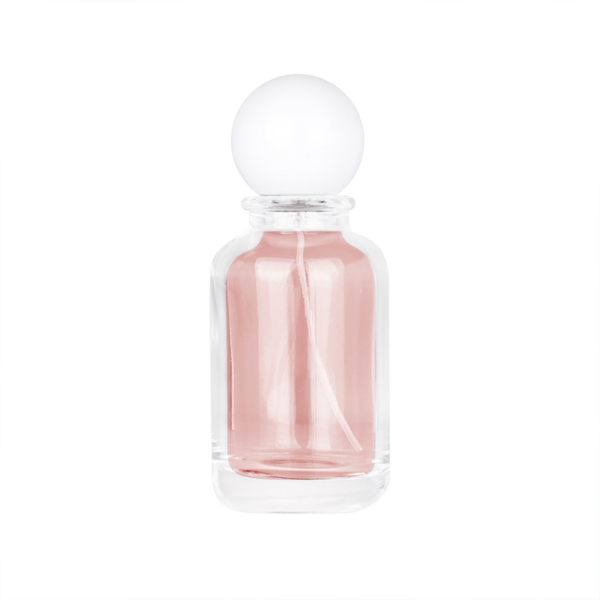
Under the Gloss: What Buyers Still Struggle With
Where do the hidden losses hide?
Let’s be direct and technical. Most teams still wrestle with the same ghosts: uneven wall thickness, fussy fit between collar and pump, and delayed restocks. A china round perfume bottle supplier can nail aesthetics, yet lose time in QA because a mold cavity drifts a fraction, or the annealing lehr runs hot and invites micro-stress. Look, it’s simpler than you think: tiny tolerances drive big rejection rates. Then come the soft costs—returns from leaky atomization, a cap that spins under low closure torque, and cartons that bruise the shoulder in transit. Users don’t rant about “tolerances.” They describe drips, loose caps, and scuffed frosting. Same beast, different names.
Traditional fixes lean on “inspect more” or “pad the lead time.” Both are thin shields. They raise MOQ to cover risk and hide waste in the schedule. Meanwhile, e‑commerce raises drop-test demands, and global humidity plays games with adhesives. Flaws masquerade as delays, then snowball into missed launches. The pain point behind the pain: misaligned data between design and line speed. When sampling, torque maps and pump stroke stability often sit outside the brief—and yes, it matters. Without them, even a lovely round profile can feel like roulette at scale.
Next-Gen Methods vs. Old Habits
What’s Next
Now for a forward look, still comparative, but lighter on the feet. The shift is toward process signals you can trust. Think in-line vision checks that watch surface waviness, small-batch pilots that tune pump atomization before color runs, and CNC mold corrections that land fast. In decoration, UV coating plus soft-touch varnish is replacing heavy metallization in some lines—less mass, more grip, fewer fingerprints. Hot stamping and screen printing are getting tighter registration as cycle times stabilize. A real edge comes from shared dashboards: design sees what the line sees, and both adjust. When a supplier brings closure torque data next to refill counts, teams make fewer blind bets. Add one more layer—light FEM simulation for drop tests—and you cut surprises from top-shelf to doorstep.
We’re also seeing smarter scaling: micro-MOQs for trial colors, then a quick swing to volume once comments turn to orders. A strong partner can move from sample to wholesale round perfume bottle without swapping specs midstream—no whiplash. Compare that with old habits: padding buffer stock, guessing at pump compatibility, hoping wing crates behave. The future keeps the romance of the round silhouette, but ties it to process narratives—timestamps, torque plots, and defect maps. Not loud. Just steady. And when that steadiness meets a clean shoulder curve, the shelf and the screen both say yes.
How to Choose with Clarity
Advisory close—three checks to anchor your pick:
1) Process proof: Ask for wall-thickness charts, annealing curves, and leakage tests across three pump SKUs. If the data is tidy, the line is tidy. 2) Decor durability: Verify UV coating abrasion scores, hot stamping adhesion, and color delta after UV exposure. Shelf life is a science, not a wish. 3) Fulfillment reality: Get drop-test videos, closure torque ranges under thermal swing, and carton fit specs. Your returns team will thank you—funny how that works, right?
Across all of this, the comparative lens stays simple: favor signals over slogans, and pilot what you plan to scale. The round perfume bottle can be a small moon—or a small headache. The outcome hinges on how well design talks to the line, and how plainly the numbers speak back. For those who value that quiet clarity, the next launch will feel less like a leap, and more like a measured step forward. NAVI Packaging