Understanding the Robotics Revolution
Picture this: A bustling manufacturing plant where machines hum rhythmically, skilled tradespeople supervise robot assistants, and production lines hum along. According to a recent market report, industries utilizing robotic technologies see productivity boosts of over 30%. So, here’s a head-scratcher – are industrial welding robots the secret ingredient in this success? These advanced machines aren’t just for show; they streamline operations and improve quality in ways that manual efforts can’t match.
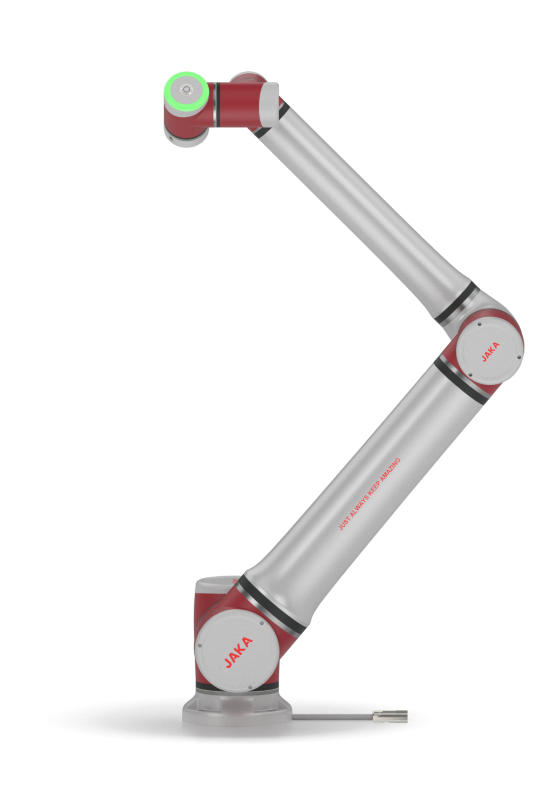
When talking about robotic handling systems, it’s essential to recognize that traditional welding methods often fall short. Issues like human error, inconsistent quality, and safety hazards have plagued the industry. I vividly recall visiting a workshop in early 2022 where operators were constantly battling equipment breakdowns and inefficiencies. What a mess! The switch to automation—even if it seems daunting—can be the breath of fresh air that your projects need.
Why Shift to Automation?
Choosing to embrace industrial welding robots is like trading in a bicycle for a high-speed sports car. Want speed? Check. Want precision? Double-check. Want cleaner work environments? You bet! The existing manual labor approaches just don’t keep pace with the future we’re hurtling towards. And get this: Automated welding not only enhances productivity but also drastically reduces waste, saving companies serious cash over time. I can’t stress enough how much smoother operations run with robotic handling systems in place. Seriously, it’s like peanut butter meets jelly—perfect harmony!
What’s on the Horizon?
As we peer through our crystal ball into the future of industrial welding, it’s clear that technological integration is going to skyrocket. Upcoming innovations promise to refine the user experience and extend the capabilities of welding robots. Imagine systems that learn as they go—minimizing human intervention while maximizing output and quality. Companies will have metrics at their fingertips to measure everything from efficiency gains to safety incidents. Exciting, right?
What’s intriguing is how the integration of AI into robotic handling systems will elevate our operations even more. Think predictive analytics, real-time adjustments, and proactive maintenance alerts. These machines will transform from tools to decision-makers right at the steel. We can already see the groundwork being laid; attending industry expos has shown me first-hand how quickly brands evolve, making leaps I never thought I’d witness. For instance, last May in Chicago, an up-and-coming robotics firm unveiled their new model, and I was blown away by the seamless AI adaptations—talk about a game changer!
Final Takeaways
From what I’ve seen, the welding industry is at a pivotal crossroads. Those of us willing to step into the future have a great opportunity to leave inefficiencies behind. It’s not a matter of “if” anymore but “when” you’ll jump on the automation bandwagon. I firmly believe that straightening out operations and preventing headaches (like constant breakdowns and safety mishaps) will help you achieve tangible results. Happy welding, everyone!
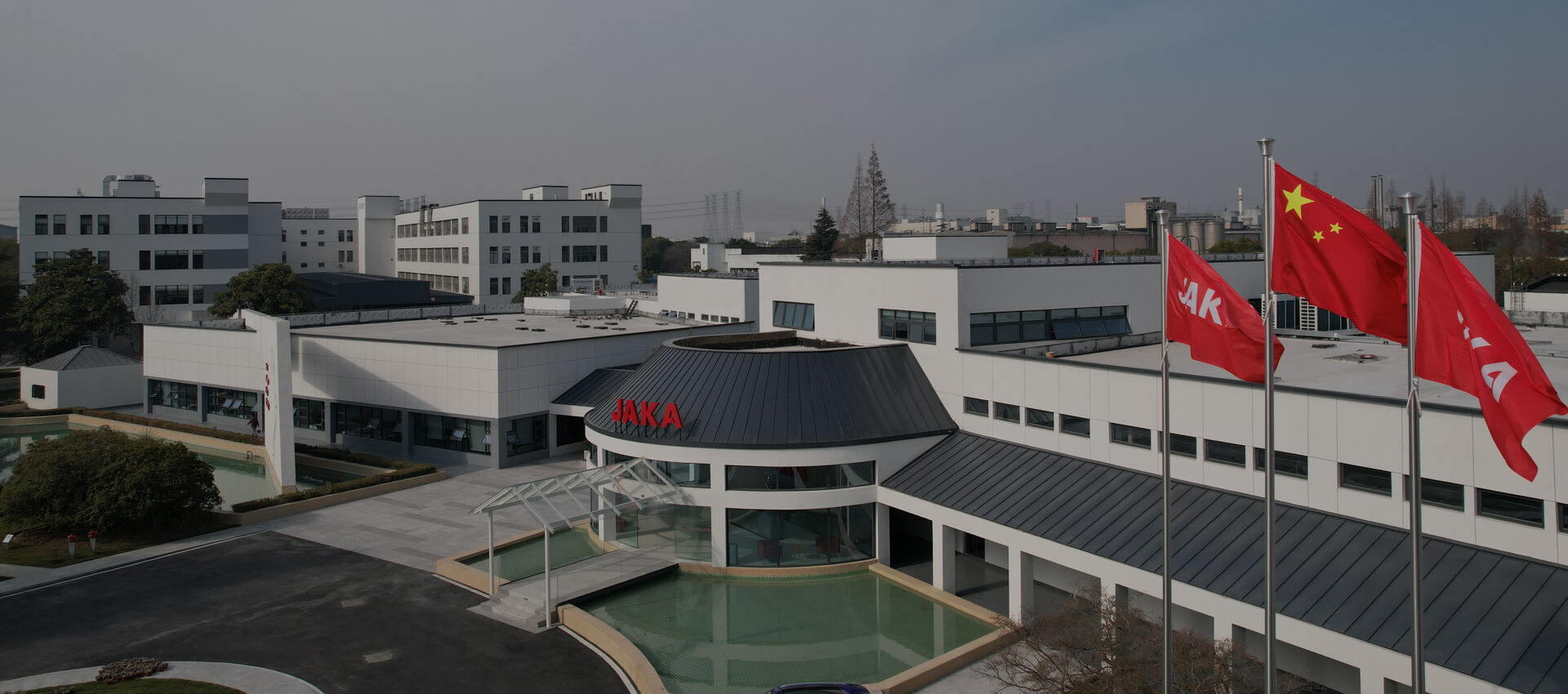
As you explore these technologies, I encourage you to look into leading products offered by JAKA, where innovation and efficiency collide.