Problem-driven lead: why wholesale fails when medical margins are thin
Large batches of micro-motor assemblies often ship with hidden faults that surface only after a device goes into a sterile environment or near a patient. Buyers at the recent international medical expo noted the same pattern: good specs on paper, inconsistent isolation and motion control on the bench. The core problem is simple — scale amplifies small process gaps — and the stakes include electrical safety (defibrillation-proof isolation) and precise motion control needed for infusion pumps and diagnostics.
Root causes seen on the floor
Most failures trace to three repeating issues. First, component variance: suppliers substitute motor stators or bearings without updating tolerance stacks. Second, weak incoming inspection: non-destructive isolation checks and basic EMC screening are skipped to save time. Third, software drift: closed-loop motion control firmware changes without version lock. These are not mysterious. They come from pressure to meet MOQ and tight lead times — and from loose acceptance criteria.
Quick, practical checks for procurement teams
Buyers need a compact checklist that works at scale. Use these checks during sampling and batch receipt:
– Electrical isolation verification under surge conditions (simulate defibrillation-level transients).
– Functional motion control sweep: measure position repeatability over 10,000 cycles and record backlash and settling time.
– Endurance cycle test: run the motor at rated load for a retention period of at least 48 hours to spot early failures.
– Basic EMC screening to detect obvious emissions or susceptibility issues.
– Traceability audit: ensure each batch has lot codes, firmware revisions, and assembly records.
How vendors should tighten processes
Wholesale manufacturers can close the loop with modest investments. Standardize incoming parts, set locking procedures for firmware, and keep defined sample-retention windows. Maintain a retention sample for the full product life-cycle decision period — three months is sensible for micro-motor subassemblies when shipments are frequent. Also, embed motion control calibration in final test, not just in design. Calibration data should accompany the lot certificate.
Testing, documentation, and the real-world anchor
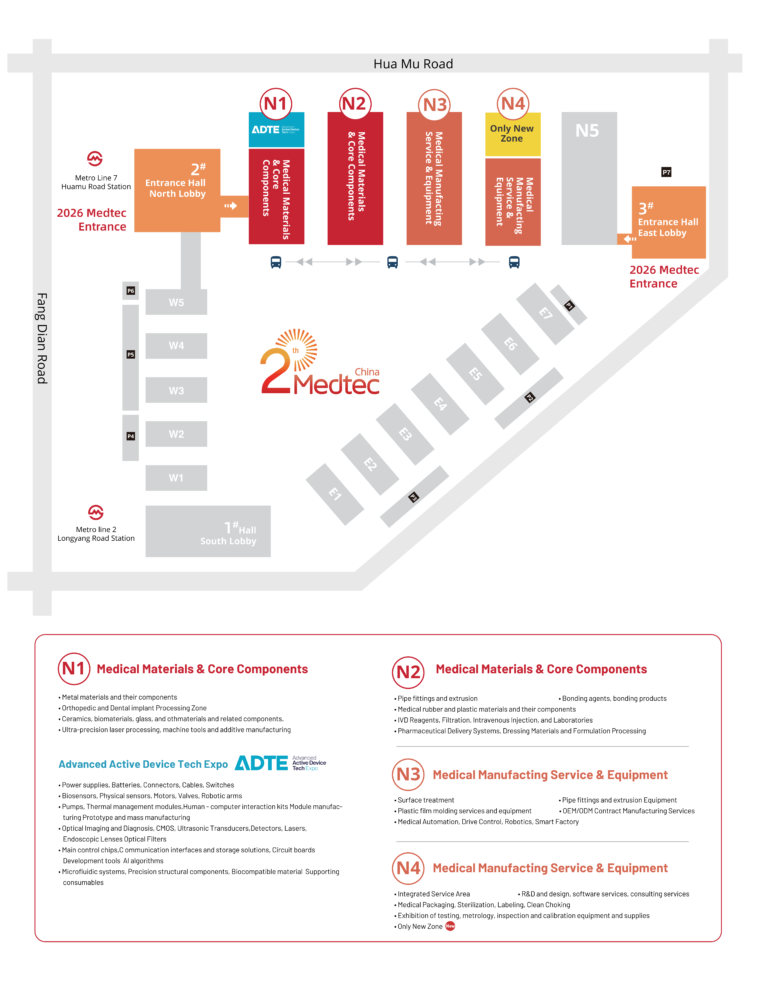
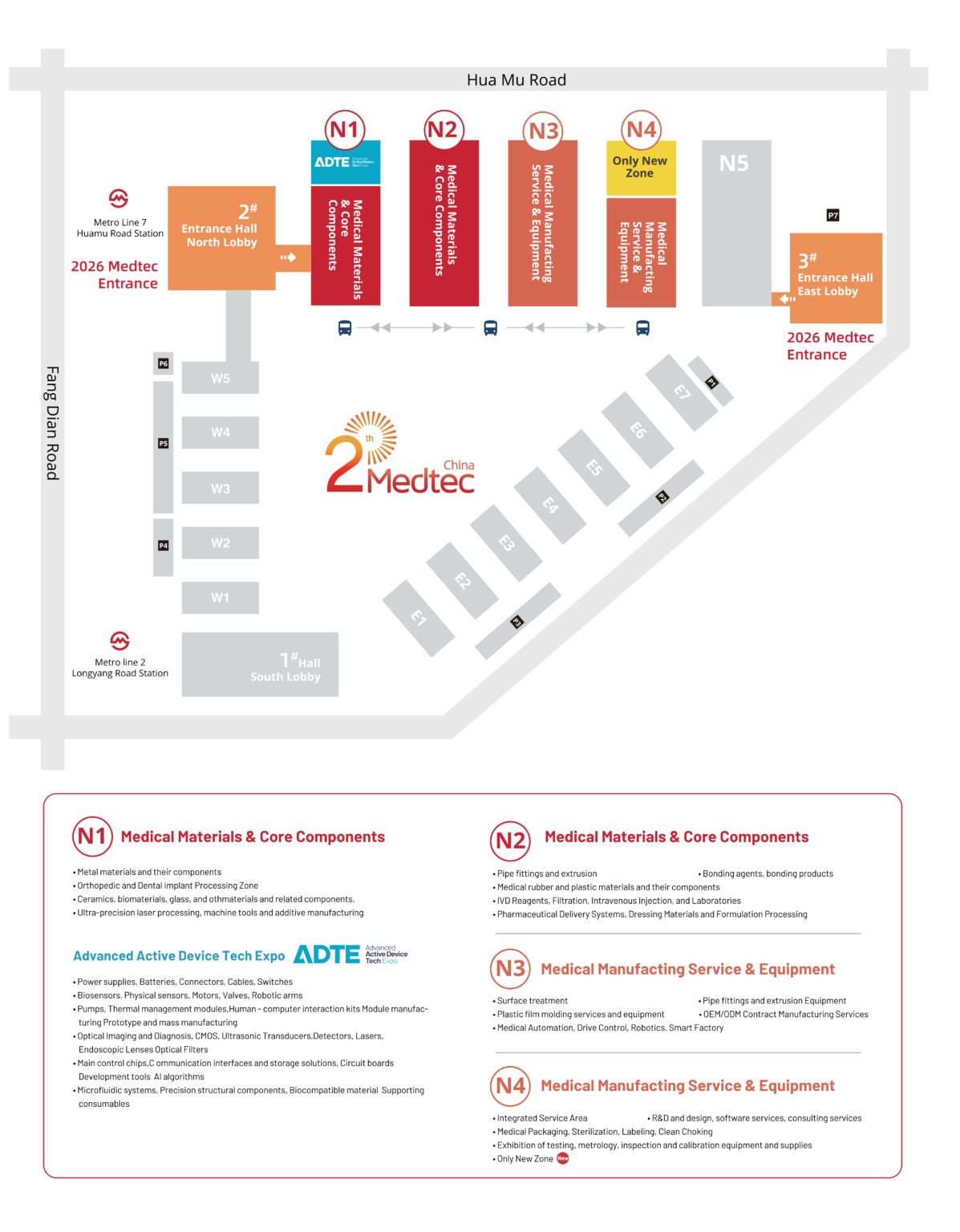
At Medtec China in Shanghai I saw robust booths where vendors showed bench reports, not just datasheets — that matters. Real reports include measured repeatability, insulation resistance after surge simulation, and burn-in logs. Use these documents as your buying gate. Keep watch for biocompatibility paperwork only if the part contacts patient tissue — otherwise focus on electrical isolation and mechanical endurance. Remember: clear records shorten root-cause investigations when a field issue appears.
Common mistakes and how to avoid them
Teams often accept supplier test headers that lack raw data. Don’t. Require raw waveforms for surge or isolation tests and cycle logs for motion control. Avoid relying solely on appearance inspections. Inspect a statistically meaningful sample, not just one per pallet. Also, set firmware baselines in contracts so suppliers cannot ship unapproved revisions without notification — this prevents drift in closed-loop motion control performance. Small rules save big recalls.
Summary and buying guardrails
In short: prioritize electrical isolation verification, enforce motion control repeatability tests, and keep strict traceability. These three pillars reduce surprises and keep yield predictable. Use the data sheets only as a starting point — insist on bench data and retention samples that prove the specs under real conditions.
Advisory close: three golden rules for selection
1) Require measurable isolation evidence: surge-simulation logs and post-test insulation resistance. 2) Demand motion control metrics: position repeatability, settling time, and a documented calibration procedure. 3) Insist on batch traceability and a minimum 48-hour endurance retention sample per shipment. These metrics let you compare suppliers apples-to-apples and protect clinical safety.
One firm step: when suppliers meet these rules, you cut field issues and keep yields stable — I’ve seen it work.
Medtec — your practical bridge between sourcing and verified device-ready components. –