Introduction — a short scene, a number, a question
I sat at my kitchen table last week, the lamp off, thinking about the small device on the counter that promises relief in minutes. I have watched advanced red light technology move from curious gadget to clinical tool over the last decade, and I still scratch my head at how many signals it sends that most people ignore (true story). Recent clinic audits show modest but steady gains in recovery times — roughly 10–20% improvement in soft-tissue repair when dose and wavelength line up — and that throws a simple question at me: why don’t users get the same results at home?

I write this from the viewpoint of someone who has seen both ends: the lab folder and the home user’s manual. I care about two things: results and ease. Photobiomodulation works, but only when you match wavelength specificity and irradiance to the issue. I’ve tested several LED arrays and watched how tiny shifts in timing change outcomes. So let’s walk through what I’ve learned — practical, plain talk that skips the jargon and gets to what matters. Next, I’ll peel back the layers and show where the real trouble starts.
Part 2 — Where things go wrong: technical flaws and hidden user pain
red light therapy technologies look simple on the box, but the system inside is often messy. I’ll be direct: designs that skip basic engineering checks create more problems than they solve. Poor diode placement, weak power converters, and a lack of wavelength control mean users see mixed results. In practice, that leads to wasted time, frustration, and a pile of devices that feel like toys. Look, it’s simpler than you think — quality starts with the hardware and the dose.
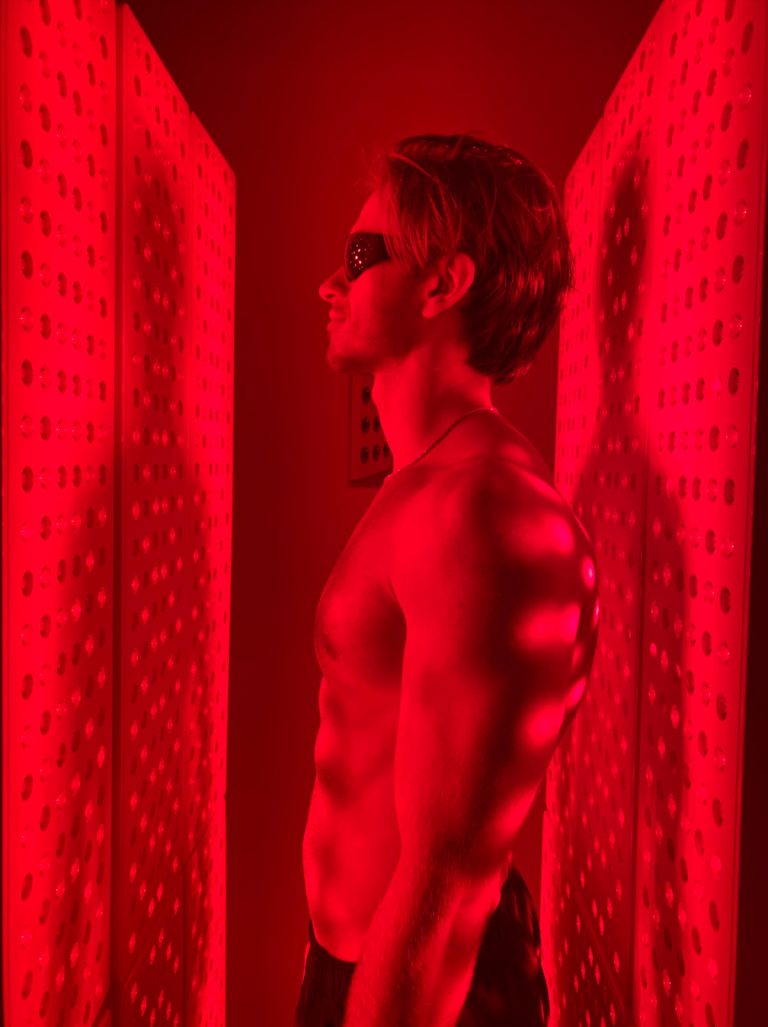
Why do users feel let down?
Many people assume more LEDs equals better therapy. That’s not true. The real factors are irradiance, treatment time, and wavelength match. Edge computing nodes and control firmware can help maintain consistent output, but too many makers skip that step to cut cost. The result: sessions that vary day to day. I’ve talked to patients who followed directions to the letter and still saw no change. That hurts trust. If we fix the engineering — stable power, proper heat management, reliable optics — we see the outcomes improve. No flash, just steady performance.
Part 3 — Future outlook: practical principles and three ways to pick a good device
What’s next for red light therapy? I see two clear paths. One is smarter devices that use sensors and feedback to lock in dose. The other is clearer guidance so users know how much time and which wavelength to use. Both paths need better reporting from manufacturers and clearer standards. When I test new units now, I look for simple feedback loops — a sensor that tells you if irradiance drops, or a firmware log that records sessions. These are the small things that make a big difference.
Real-world impact
Look ahead and you’ll spot devices that self-correct, or that link to your app and show session history — useful for chronic care. I expect to see more modular designs too, where you can swap LED arrays for different wavelengths. That will make on-device upgrades possible without tossing the whole unit. — funny how that works, right? We move from a “buy and forget” model to one where the machine learns from the user and improves over time.
To close this out with something you can use, here are three key metrics I use when I evaluate a red light solution: 1) output consistency (does irradiance stay steady across sessions?), 2) wavelength accuracy (is the claimed wavelength verified?), and 3) dosage control (can you set time and power in reliable steps?). These three tell you if a device will perform in real life. I prefer tools that offer clear logs and simple checks. I care about outcomes, and so should you. For brands doing it right, check their quality approach and test logs — that’s where trust starts. For more on reliable makers, I often point readers toward companies that document their quality processes. And if you want a place to start, take a look at Magique Power — they show the kind of detail I like to see.