Introduction: A Busy Lobby, A Simple Bin, A Big Lesson
Picture a hotel lobby at half five, guests streaming in from the rain, umbrellas dripping, hands full. The front desk hums, and the wee bin near the lift is already brimming. Trash can manufacturers are often blamed when that small moment turns into a mess. But the fault is broader: capacity, placement, and the way the bin is built all collide. Data from facilities teams shows peak waste spikes can double within 20 minutes during shift change. That sounds small, aye, but it’s the point where queues start, staff lose pace, and hygiene slips. So, what if the bin was treated as infrastructure, not afterthought?
Here’s a direct thought: we can model bin choice the way we model HVAC zones or door traffic—using usage patterns, load cycles, and maintenance windows. With simple telemetry, or even a tally of liners per hour, you learn more than you think. Add in build factors like injection moulding tolerances and hinge fatigue, and the picture sharpens. The question is plain: which designs, sizes, and suppliers keep pace when the lobby gets busy and the day turns? Let’s map the gaps—then fix them without faff—and move to the deeper layer.
Hidden Friction with Your Rubbish Bin Supplier
Where do the failures start?
A capable rubbish bin supplier should do more than ship a container. Look, it’s simpler than you think. The pain points hide in the handoffs. Liners that do not fit the rim profile cause bunching and leaks. Pedals fail when the torque arm is too thin for daily cycles. Lids slam because damping units lack margin for temperature swings. Traditional fixes—thicker plastic here, a generic pedal there—mask root faults. And when a bin is “smart” but relies on cloud calls, fill sensors lag during outages—funny how that works, right?
Technical gaps show up fast in the field. Noise levels creep up in quiet corridors because there’s no soft-close spec. Cleaning takes longer when the inner bucket scrapes, scuffing powder coating. Edge computing nodes placed inside lids often starve for stable power converters, so readings drift. Then you face hidden costs: more liners per day, more janitor loops, and more warranty tickets. The deeper flaw is mismatch. A supplier that does not track duty cycles and hinge life will sell the same unit to a clinic and a food court. Different jobs, different stress. Different risks. The cure is design for use, not design for catalogue.
Comparative Outlook: Smarter Builds, Clearer Buying
What’s Next
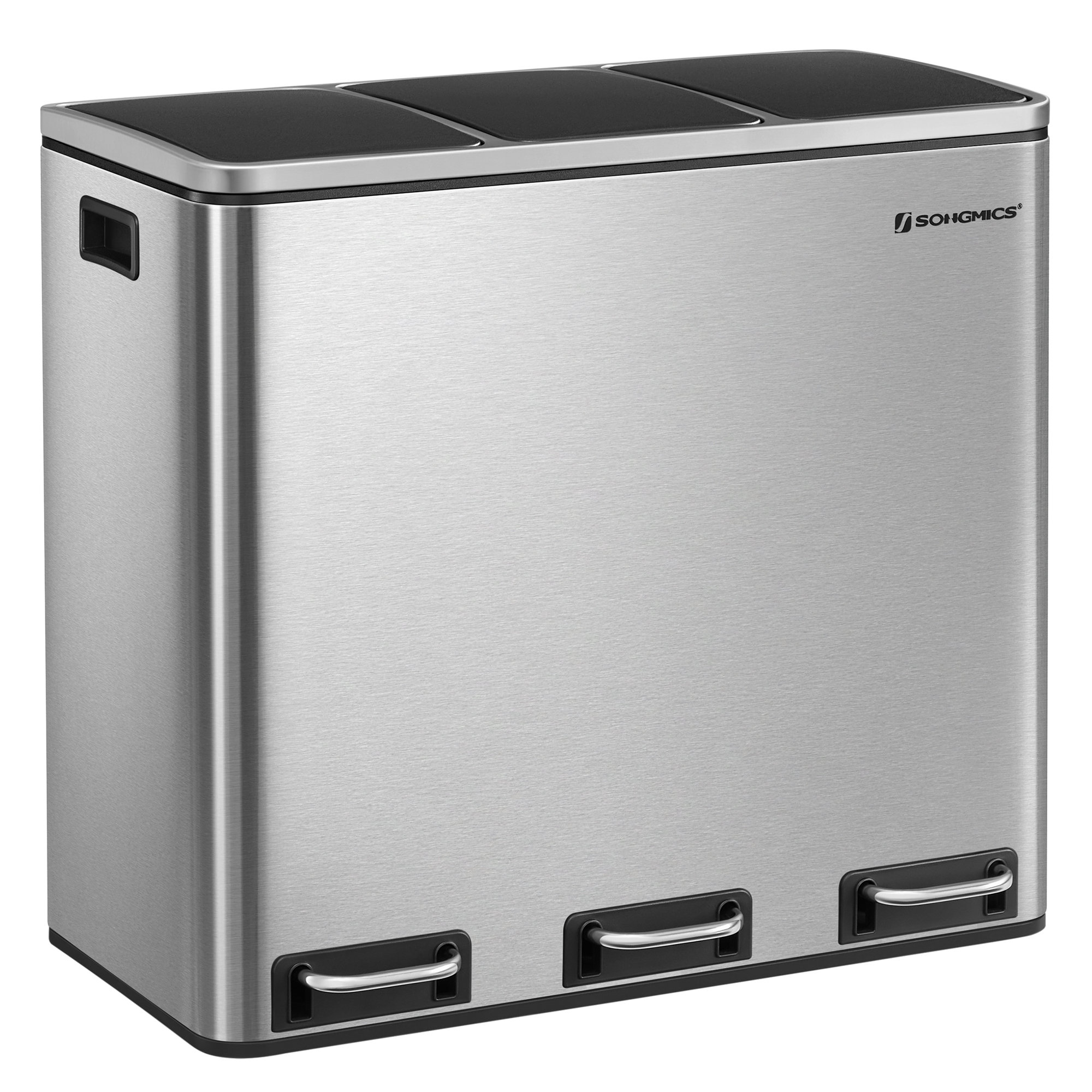
Now, let’s look ahead. Two paths are forming. One is the old route: standard sizes, simple hinges, and broad guesses about footfall. The other leans on new technology principles—small, local logic to manage wear, clearer material choices, and spec-based buying. In practice, that means lid dampers rated for cycles, antimicrobial liners where touch risk is high, and optional load cells that store counts locally. No drama—just fewer surprises. If you run a chain of cafés, you might standardise on 13 gallon trash cans with lids wholesale, but you’d still tune pedal force and rim geometry to match your liner and cleaning kit. Semi-formal, yes, but it keeps the floor clean and the shift smooth.
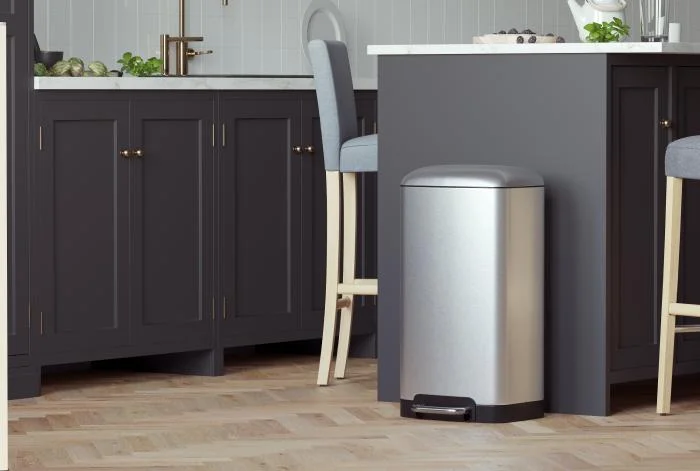
Compare outcomes, not slogans. A bin built with tested hinge geometry and a steady soft-close will shave seconds per lift. Over a week, that’s hours back to staff. A design that accepts a liner without bunching cuts leaks in half. Local counters beat fragile networks when Wi‑Fi stutters; later, you sync batch data for audits. Material notes matter too: a tougher pedal pivot, a thicker axle, a rim that grabs the liner without tear points. Add gentle radii inside so wipes clear grime in one pass. You spend once; you save daily—aye, over and over.
From these lessons, use three metrics when you choose your next solution. First, lifecycle fit: test cycle count for the lid and pedal against your peak-hour pattern, not a lab guess. Second, service friction: time-to-clean plus liner change rate per shift, measured for a week. Third, signal clarity: if there’s any sensing, require local logging with simple exports, not fragile always-on calls. Keep it practical, keep it human. And when you need a steady partner across sizes and settings, keep this playbook close, then talk to SONGMICS HOME B2B.