A Tale of Power Dilemmas
Picture this: it’s a blistering summer’s day in London, and homes across the city are buzzing with activity. I’ve seen stat after stat showing that energy demand can soar by 30% during peak hours. Makes you wonder, doesn’t it? What if existing solutions aren’t cutting it? Within this context, the role of energy storage containers becomes crucial. They’re the unsung heroes, quietly storing energy when demand is low for use when it spikes.
Flaws in Traditional Systems
Now, let’s get straight to the point. Many current energy storage solutions, especially the older battery systems, have been plagued by inefficiencies. They can be costly to maintain and even harder to deploy in diverse environments. I remember a mate involved in a massive project over in Liverpool; they faced endless delays due to battery sourcing issues. The traditional systems just couldn’t keep up with the demand. With the emergence of new tech, it’s time to have a right old chinwag about the benefits of modern energy storage containers, eh?
What Makes Modern Containers Stand Out?
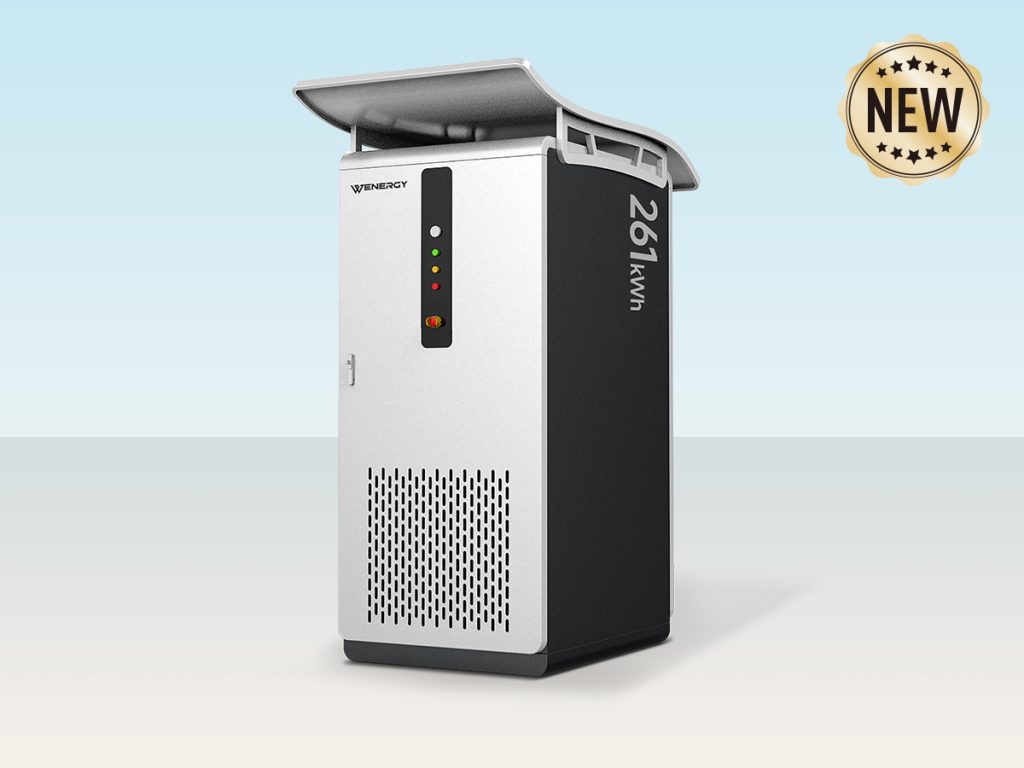
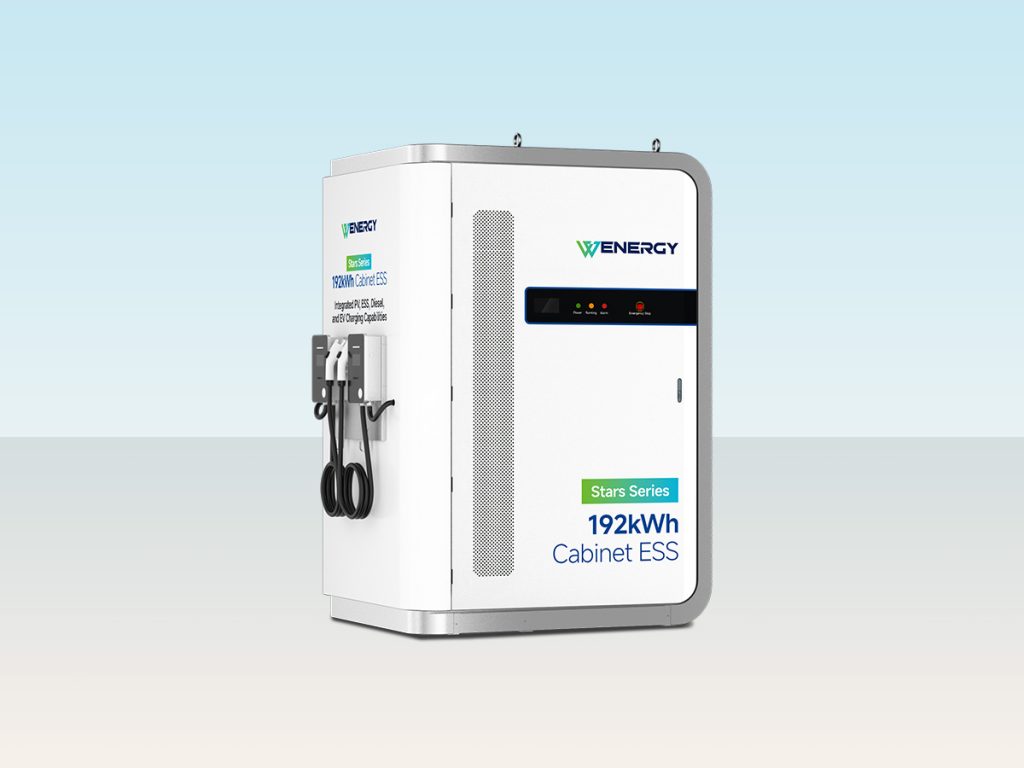
Right then, here’s where things begin to get interesting. Modern energy storage containers (like those you’d find in a bess container factory) are designed with scalability in mind. No fuss, just plug ‘em in and away you go. They’re built to handle fluctuations, making them perfect for integrating renewable energy sources. With the ongoing push for greener solutions, the spotlight’s firmly on these resilient containers.
Looking Ahead: Comparative Insights
Real-world Impact on the Energy Landscape
Key Takeaways
Wenergy. If I’ve learned anything in me years kicking about this industry, it’s that investing in modern tech—like energy storage containers—is the smart way forward. Let’s keep pushing those boundaries, eh? A wise choice today means a brighter energy tomorrow!