Identifying the Core Problem
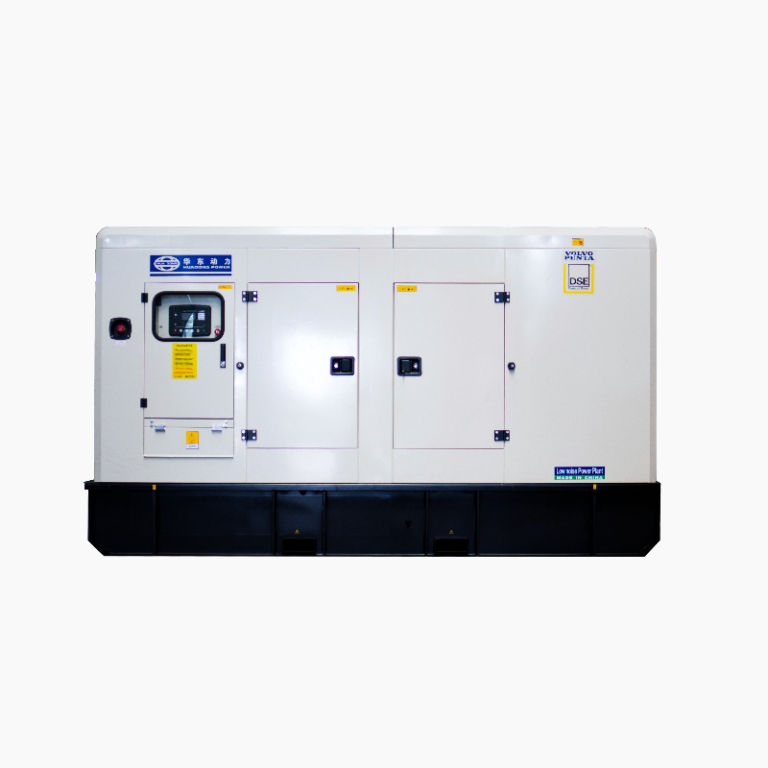
Critical operations increasingly face short, costly outages that cascade into lost productivity and damaged reputation. The short-term fix—portable units or temporary grid reroutes—often fails where long-term resilience is required, particularly for noise-sensitive sites. For many facilities, choosing silent diesel gensets is the practical pivot: they provide continuous backup power with engineered sound attenuation and predictable fuel consumption, rather than ad hoc solutions that complicate compliance and service logistics.
Real-World Anchor: Why This Matters
The 2021 Texas winter storm exposed weaknesses in backup power planning for hospitals, data centers, and manufacturing plants. Facilities that had properly sized generator systems and robust transfer switches maintained critical services; others faced extended downtime. That event underscores a simple lesson—resilience is built around reliable equipment, tested controls, and realistic load planning rather than optimistic assumptions about grid stability.
Key Technical Considerations
Start with accurate load assessment and match it to rated capacity in kVA. Oversizing wastes fuel; undersizing risks overload and equipment damage. Specify a reliable transfer switch and compatible control panel to manage automatic start/stop sequences. Prioritize sound attenuation packages if the genset sits near occupied buildings—noise mitigation is not decorative; it’s operational. Also require a documented FAT (Factory Acceptance Test) and a proven prime mover with known service intervals—these details reduce surprises during commissioning.
Sourcing from China: Quality Control and Compliance
Many Chinese manufacturers deliver strong value for the price, but procurement must include explicit acceptance criteria. Insist on load bank testing at rated kVA, verified emissions parameters, and written documentation for wiring diagrams, control logic, and spares lists. Factory QA should cover vibration limits and enclosure performance for noise reduction. If you specify a 20 kva silent genset, demand acoustic test reports and a maintenance schedule tied to operating hours—this is how warranties remain meaningful in practice.
Common Mistakes and Practical Alternatives
Teams routinely make the same three errors: wrong sizing, ignoring site ambient conditions, and failing to plan fuel logistics. Avoid them by documenting peak and continuous loads, ambient temperature ranges, and run-time expectations. Consider hybrid options—battery-backed UPS for short bridging, combined with a genset for extended outages—where response speed matters. Maintain a clear spare-parts inventory and a service contract that includes periodic load testing; preventive maintenance prevents emergency procurement headaches.
Procurement Checklist — What to Demand
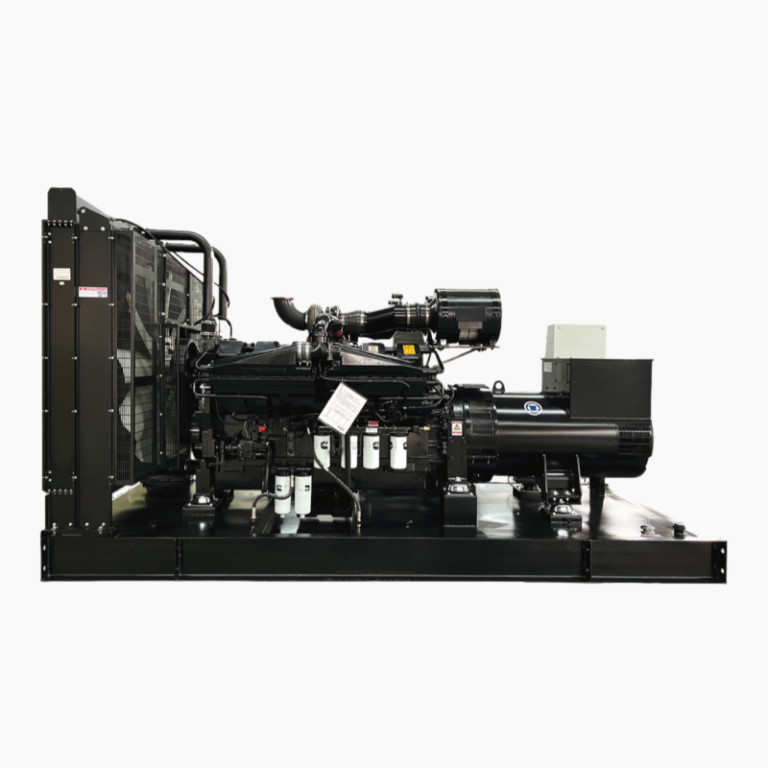
When evaluating suppliers, require these deliverables: factory test certificates, a site commissioning plan, spare-parts list with lead times, and a documented warranty covering both mechanical and acoustic performance. Include a clause for on-site acceptance testing under actual load. These checkpoints align expectations and make supplier performance measurable during installation and first-year operations.
Advisory: Three Golden Rules for Selection
1) Match rated kVA to realistic peak and continuous demands, not theoretical maxima. 2) Verify acoustic and emissions performance with lab or factory test reports—on-paper specs are not enough. 3) Contract for FAT and on-site commissioning that includes a full-load run and transfer switch validation.
With these rules, procurement moves from speculative to verifiable—reducing downtime risk and simplifying lifecycle costs. Huadong Power is positioned to support that process with tested designs and documented commissioning protocols—trusted partners deliver predictable outcomes. – dependable.